Mar 3, 2019

超過五十噸的蔬果如何從不合規的產出變成暖心暖胃的食物

Collect surplus produce from local farms and producers and turn into heart-warming food for people in need. Sharing is the most beautiful way to reduce food waste.

https://foodincommunity.org

今天媽媽說犁田幾要來工作了,所以之前就請親朋好友去拔田裡的蘿蔔。的確,在我們鄉下地方,有時果園、菜園或田裡的收成太多時就會和鄰居和親朋好友分享。媽媽有時候還會送去獻禮的孤兒院。在國外實習時也常將農場的收成分享給有需要的朋友,尤其是近年來人數大增的移民。

Food in Community 真的是一個非常暖心的分享方式,施與受雙方都能感受到滿滿的正能量。

看看英國的朋友們怎麼做吧!
https://e-info.org.tw/node/216700?utm_source=環境資訊電子報一週回顧版&utm_campaign=83cd6b6918-EMAIL_CAMPAIGN_2018_11_16_02_18_COPY_01&utm_medium=email&utm_term=0_0afec739ac-83cd6b6918-91186313


Feb 28, 2019

 Gardening can do what medicine "tries to mimic" for mental heath. Why? As BBC presenter Monty Don said, "When you plant something, you invest in a beautiful future amidst a stressful, chaotic and, at times, downright appalling world.” Would it be the positive psychology proposed by Richard J. Davidson?

在充滿壓力、混亂、往下沉的世界裡,當你種下一棵植物就是投資了一個美麗的未來。

今年在一年一度的英國雀兒喜花展中,BBC長青園藝節目主持人Monty Don說“種植”對於心理健康的好處正是藥物試著達到的效果。這位園藝專家以自身對抗憂鬱症的經歷現身說法。


神經科學家 Richard J. Davidson在“情緒大腦的祕密檔案”一書中指出正念如何影響神經迴路,進而讓人們過得更健康,生命也更圓滿。這正是Monty Don在“園丁世界”雜誌專欄說的,第一片飄下的雪花、你剪下的玫瑰花、你播種收成的萵苣、只為你歌唱的伯勞,這些小小的事都是正向的,這種療癒的方式是藥物想要達到方向。


https://www.telegraph.co.uk/news/2019/02/24/gardening-can-do-medicine-tries-mimic-mental-health-monty-don/?fbclid=IwAR1ewvSfB9N_vG7CxiD2vF_RymiSlXbygcJ3h6FwHS2om-388ZOfDvTRGj8

英國皇家園藝學會Royal Horticultural Society已經著手探討園藝如何成為心理健康問題的解方。今年的花展的重點就是將自然融入日常生活中。

https://www.rhs.org.uk/shows-events/rhs-chelsea-flower-show


https://www.youtube.com/watch?v=gksLbn54vbk&feature=youtu.be

Feb 15, 2019

一条长椅、一群老奶奶帮助患者克服抑郁症


老奶奶的長椅怎麼成為心理健康的利器呢?非洲精神科醫師Dixon Chibanda在資源人員缺乏的撒哈拉以南地區訓練了400多名老奶奶幫助社區的憂鬱症患者。

最近在我們與醫院合作的綠色照護方案中,也觀察到一位患有失智症的老奶奶在花園漫步中開導著憂鬱症的個案。這個世界真的很美妙~

瑞秋·纽尔
Rachel Nuwer
  • 2018年 12月 3日


https://www.bbc.com/ukchina/simp/vert-fut-46396135

醫療改革的下一步 - 醫院農場Are Hospital Farms the Next Big Thing in Healthcare Reform?

以前在德國實習的時候,就注意到病患可以從醫院的溫室中重新認識蔬果,進而改善食慾甚至是飲食習慣。醫院農場還是需要專業農夫的維持,但員工、病患、家屬與志工的參與讓農場的邊際效益無限擴大。要是再加上廚師的加入,更能夠讓人們了解新鮮食物的美味~

Farmers work in hospitals. This great idea can bring fresh food and balanced diets to staff and patients. The biggest benefit is the most interesting and interactive way to connect to nature.

https://civileats.com/2015/07/21/are-hospital-farms-the-next-big-thing-in-healthcare-reform/?fbclid=IwAR0rQIThXMw1gwygmXFpf6031uNve1dwxfgnET1kEzGZjifINcduzqcQT6I

Dec 10, 2018

獨居長輩的新夥伴,狗狗夥伴。綠色照護中很受歡迎的活動喔!希望明年就可以開始夥伴計畫。

Dec 2, 2018

A good blend of sweet and sour~~ Give farmers a big round of applause!!!!
酸酸甜甜的滋味~剛剛好~農夫最棒!!!!

Nov 3, 2018

秋日的尾巴有點温暖


Make food with appreciation. 這應該就是全食料理的精神~

我的朋友樸食説:因為做年糕,對氣候變得更敏感。時令,室溫25度,濕度60度,是做年糕的好溫度。說這些不是顯示我們厲害,是說,不添加的手工年糕,如果氣溫高,費工耗時的米食製成很容易酸敗,所以,冬天吃手工年糕,剛剛好。

又因為製作年糕,更敬佩古人如此有智慧,將「米與水」的種種關係,掌握這麼恰到好處,從浸泡、磨漿、壓模、做母粄、打團到成形、蒸煮、放涼、抹一點油不沾好拿取。這些睿智從哪裡學會的啊,如果我們這代只知道工業化產品,未來製作這些傳統米食的工序若失傳,餐桌的樂趣還剩甚麼呢?

Feb 10, 2018

Nature leads to self-compassion慈悲心與同理心的對象也可以是自己


對自己的身材不滿意?走向大自然吧!抽離充滿外表主義的世界,讓不斷旋轉的認知休息一下,慈悲心與同理心的對象也可以是自己。


Being Around Nature Helps You Love Your Body

According to a new study, people have a more positive body image after looking at or walking in nature.


Not happy with what you see when you look in a mirror? Well, you can take a hike.
Seriously. New research from the United Kingdom finds strolling in nature—or even looking at photographs of the natural world—leaves people feeling better about their bodies.
In recent years, a series of studies have found that time spent in nature offers a range of benefits, from easing depression to increasing altruism. This latest work suggests it can also mute internal criticism of one’s less-than-perfect figure.
In the journal Body Image, a research team led by psychologist Viren Swami of Anglia Ruskin University in Cambridge describes five studies that demonstrate this dynamic. The first featured a group of university undergraduates who looked at and evaluated a series of photographs.
Half saw images of the natural world, such as lakes, mountains, and forests, while the others were exposed to urban scenes such as city streets and industrial buildings.
Before and after the viewing, all participants filled out a body-image survey. They reported how satisfied or dissatisfied they felt about their weight, the size and shape of their body, and their physical appearance in general.
Those who viewed images of the natural world were significantly more satisfied with their body at the end of the experiment than they were when it started. This positive shift in attitude did not occur among those who saw cityscapes.
After replicating these results in two additional studies, the researchers tried a different approach: examining the effect of actually spending time in nature. The participants, 84 women and 79 men, all took a 1.5-mile-long walk.
Half strolled “through a natural environment in Hampstead Heath, a 790-acre green space in north London encompassing ponds, woodlands, hills, and landscapes,” the researchers write. The others “began at the same starting point, but went through a medium-density built environment encompassing high-rise housing blocks, offices and garages, (and) small shops.”
Before and after their journey, all participants filled out a “body appreciation” questionnaire, in which they noted their level of agreement with statements such as “I feel good about my body” and “I am comfortable in my body.”
The results: Those who took the nature walk scored significantly higher on the second test, indicating a higher degree of acceptance of their bodies. In contrast, scores actually dropped for those who took the walk in the city.
“There are several reasons why exposure to nature could be having this effect,” Swami said in announcing the findings. “It might be that it distances people, physically and mentally, from appearance-focused situations that are one of the causes of negative body image.”
In addition, spending time in a natural setting “may provide people with cognitive quiet, which in turn may foster self-compassion,” the researchers write.
Or perhaps it simply reminds us of the insignificance of our own problems, and inspires a decrease in self-consciousness. Nature can do that. After all, no bear ever felt bad about her body.
This story originally appeared as “Exposure to Nature Promotes a More Positive Body Image” on Pacific Standard, an editorial partner site. Subscribe to the magazine in print and follow Pacific Standard on Twitter to support journalism in the public interest.

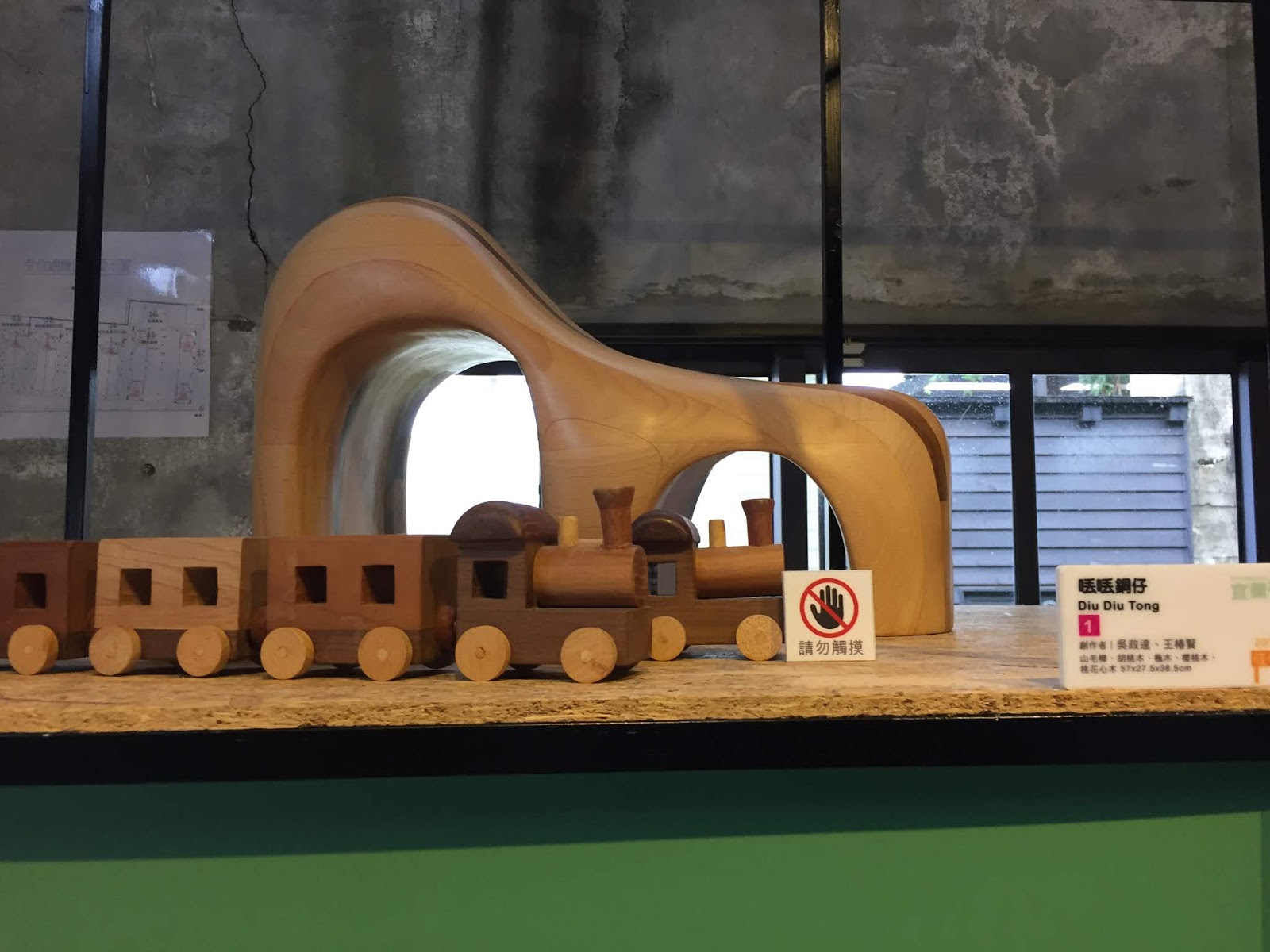
動物火車Animal train

Do you know all the cuties in our neighborhood? The most interesting way to know animals around us.
用一種童趣的眼光看世界是不是比較輕鬆呢?

Feb 7, 2018

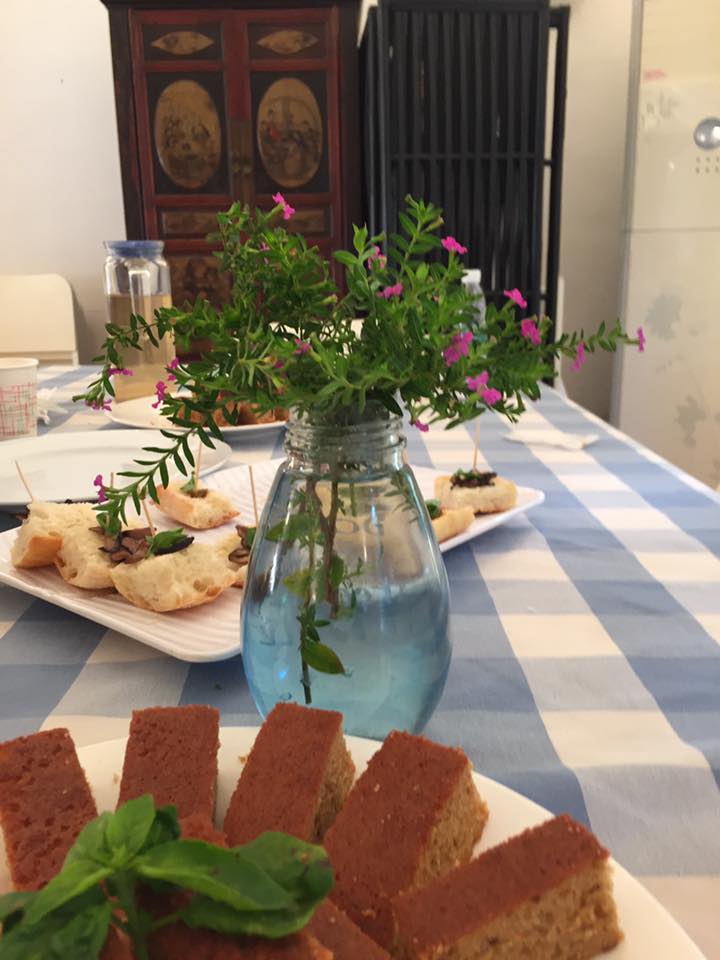
農場美學Aesthetics on the farm

不得不说美感是天生的,有美感的人可以把菜園𥚃的小花做畫龍點睛的呈现。農埸也有農埸美學。Aesthetics matters in a caring farm. ​​​

Jan 9, 2018

Farmer’s raining day客家蘿蔔糕

Raining day is never a sleeping day for farmers. My mom harvested some radishes from our farm and made Hakka radish cake.

下雨天巫媽媽還是能找事做。一大早去田裏拔蘿蔔、劈柴、蒸蘿蔔糕。

Jan 6, 2018

The super coconut tree原來椰子樹這麼棒

A fun way to learn about coconut tree.

讓小朋友們一邊聽歌,一邊認識超級超級椰子樹。


Nature along your side when you are sick自然是病友的良伴

大自然是我們的良藥嗎?

是的,最簡單的方式就是走出戶外。很多慢性疾病與缺乏運動有直接的關連。在自然中運動是最棒的運動,因為更有趣還可以和別人交流,讓人不自主的增加運動時間,心情更好,慢慢地甚至可能讓醫生減少服藥量。

自然不只對身體好,也有助於心理健康。2013年在美國預防醫學月刊(American Journal of Preventive Medicine)刊登了一篇超過26年的研究,其中宣稱“任何程度的運動都可以預防憂鬱症”。只要每天散步二十分鐘就很有成效。當然,遛狗、爬樓梯、一點戶外時光都是有幫助的。

投入大自然的懷抱,可以幫助病友把注意力放在多變有趣的自然變化中,甚至還可以享受他人的陪伴。心臟疾病的病友通常很緊張,活動範圍有限而變得與外界隔離,走進自然對於復原來說真的很重要。

source:

Can Nature Help You Deal With Heart Disease?

Evidence suggests that being outdoors has many physical and mental health benefits.

By David Levine, ContributorJan. 5, 2018, at 12:29 p.m.


Seniors walking near a pond.
The primary benefit of being outdoors is exercise, perhaps the single most important healthful activity anyone can engage in. (Getty Images)
Is Mother Nature medicinal? Can spending time outdoors help those with heart disease better cope with their condition? Could a walk in the woods actually be therapeutic?
The answer is a definitive yes. And for both physical and mental health reasons.
In fact, an emerging area of study known as ecotherapy, sometimes called green therapy or nature therapy, stems from the belief that health is not separated from the environment but part of our natural web. “The trend of nature therapy has been increasing over time,” says clinical psychologist Barry Jacobs, who specializes in helping families cope with serious and chronic medical illnesses as director of behavioral sciences for the Crozer-Keystone Family Medicine Residency Program in Springfield, Pennsylvania. “Over my career I have seen more emphasis on it, especially for people with chronic illnesses like cardiovascular disease.”
Exercise for the Body
The primary benefit of being outdoors is exercise, perhaps the single most important healthful activity anyone can engage in. Most chronic diseases, and certainly heart disease, are directly linked with lack of physical activity. “Of all the countries in world, we still are probably among the top three unhealthiest countries because we are not active and out and about,” says Dr. Gerald Fletcher, a cardiologist in Jacksonville, Florida, who is affiliated with the Mayo Clinic Jacksonville.
Exercise generally doesn’t cost any money, especially if it’s just a walk outdoors, says Fletcher, who is also the recent chair of the American Heart Association’s Council on Clinical Cardiology. And exercise can be as effective as – and in some cases replace – medications for heart disease. Before beginning to exercise regularly, patients should discuss their plans with their doctor.
For those suffering from angina, or chest discomfort related to heart disease, exercise alone can allow some patients to stop taking beta blockers, which have side effects and are expensive, Fletcher says. And even those with more advanced heart disease can benefit. Fletcher says he has patients with ejection fractions – a measurement of the percentage of blood leaving the heart each time it contracts – of just 20 to 30 percent of normal who can exercise if well supervised.
And while any exercise is good, outdoor exercise is best. “It is important to get into the outside environment. It’s more fun, you see others exercising, it’s a social thing,” Fletcher says. “If one can exercise outside, it is more productive and beneficial –more enjoyable. I have knee problems, so I open the windows and exercise, and it is more emotionally rewarding and productive, and I tend to exercise more.”
Exercise for the Mind and Spirit
Being physically active not only strengthens the body, it strengthens the mind as well. That is critically important for patients with heart disease. There are strong links between heart problems and depression, with each contributing to and potentially exacerbating the other.
Exercise is one of the most effective tools in preventing and treating depression. A literature review of more than 26 years of research on physical activity, or PA, published in 2013 in the American Journal of Preventive Medicine, declared that “There is promising evidence that any level of PA, including low levels … can prevent future depression.” The author, George Mammen, concludes by saying, “From a population health perspective, promoting PA may serve as a valuable mental health promotion strategy in reducing the risk of developing depression.”
And structured or intensive exercises like running, biking, swimming or playing basketball aren't required to improve mental outlook. The AJPM study found that it only takes about 20 minutes of walking a day to reap rewards. The Mayo Clinic reports that “exercise includes a wide range of activities that boost your activity level to help you feel better.” This includes walking the dog, talking stairs instead of the elevator and spending time in nature.
Indeed, combining activity with nature may be the best way to improve one’s health. A much-cited 2010 study in Environmental Health and Preventive Medicine found that the Japanese practice of shinrin-yoku, or forest bathing, led to “lower concentrations of the stress hormone cortisol, lower pulse rate, lower blood pressure, greater parasympathetic nerve activity, and lower sympathetic nerve activity than do city environments.”
Another study, in the June 2015 issue of Landscape and Urban Planning, found that participants who took a 50-minute walk in a natural environment in Stanford, California, experienced decreased anxiety, rumination (repetitive, negative thought patterns) and negative affect (feelings or emotions), better preservation of positive affect and other cognitive benefits such as better memory, as compared to those who walked in urban settings.
“You can extrapolate from there and say that reducing stress helps with managing all sorts of conditions,” Jacobs says. “It is a fairly safe assumption and I would certainly recommend it to someone, especially someone with a life threatening event like a heart attack.”
Getting out of the house and into nature, Jacobs says, also helps patients “get the focus off themselves. One of the biggest problems for many patients with heart disease is they are very, very cautious. They are physically limited initially, and tend to become isolated and sedentary. The idea of getting them out in the world, especially in the company of other people, is extremely important for recovery.”
Jacobs recommends that his heart disease patients walk with a spouse, join a hiking club or participate in a community garden. “These are all great activities, and are not so physically rigorous. They begin to enjoy life again. That has tremendous therapeutic effect," he says."It is almost a spiritual feeling of the cycle of life, of being connected to the world. I really believe that is a great benefit.”

https://health.usnews.com/health-care/patient-advice/articles/2018-01-05/can-nature-help-you-deal-with-heart-disease


本世纪最最重要的相親任務。Matching maker for leopard cats

Blind date for leopard cats. Hope they can become a family and more babies.
石虎的傅宗接代也要管一下。

石虎要做人https://www.facebook.com/jayjune.lin/posts/1653698451335867


Jan 4, 2018

Botanical animation "Story of Flowers” 花的一生

Lovely colors and shapes of flowers. Good for kids.

美麗的花是這樣長出來的啊!孩子們一定會喜歡這些鮮豔的顏色和奇妙的世界。

來源:


Dec 30, 2017

Oranges from the prison 來自監獄的橘子

Oranges from the prisons healed people inside and outside. After receiving thank-you cards from the children at high risk, inmates know they can give instead of taking. 

Everyone needs opportunities to love and be loved.

今年在監獄的綠色療癒課程要告一個段落了,沒想到大哥小弟們在這麼短的時間之內,有那麼多的感受與想法。

耶誕節準備的丁香橘子送給圍牆之外一群不愛或不能上學的孩子手上,監獄內的人需要有關愛的對象,教室內的人需要別人的在乎,一顆顆黃澄澄的橘子串連了一顆顆受傷的心。

孩子們感謝卡上簡簡單單的“謝謝”二字,像是融入巧克力的太妃糖,讓大哥小弟們甜在心頭。

每個人都需要有愛別人和愛自己的機會。


由於隱私故,照片來自網路。Photos from the Internet.